

Quick Summary
European kids clothing is sized by height in centimeters rather than age, so a size 104 is designed for a child about 104 cm tall. Measure your child's height against a flat wall, then match that number to the brand's size chart before ordering.
- Size numbers are heights in centimeters; a size 104 fits a child about 104 cm tall.
- Measure height barefoot on a hard, flat floor with a flat book pressed on the head.
- Use age and weight only as rough guides when you have no height reading.
- For stretch knits, choose the smaller size; for woven dresses, match chest first.
- Measure again every few months, since children grow quickly.
Table of Contents
- Why European Kids Clothing Sizes Run Differently
- How to Measure Your Child's Height in Centimeters
- European Kids Size Chart: Height, Age and Weight
- Converting EU Sizes to US and UK Sizes
- Choosing Between Sizes When Your Child Falls In Between
- Brand Variation, Growth Allowance and Seasonal Planning
- Ordering Your First Piece From Le Petit Kids
- Frequently Asked Questions
Why European Kids Clothing Sizes Run Differently
If you have ever bought a dress labeled "size 4" from a European brand and found it fit like a size 2, you are not alone.
Many parents find that the age on the label means little.
Here is the basic idea:
- Size numbers are heights. A size 104 is designed for a child about 104 cm tall.
- Age is only a rough guide. Kids of the same age can differ by several inches.
- Cut varies by brand. Some labels run slim, others run generous.
- Fit is built around the body. Chest, waist and length matter as much as height.
At Le Petit Kids, we recommend starting with height, not age, whenever you shop European labels. That one habit prevents most sizing mistakes.
How to Measure Your Child's Height in Centimeters
Measuring your child's height takes about five minutes and needs only a flat wall and a tape measure. A stiff tape or a ruler works well. Measure in centimeters, since the size charts use metric.
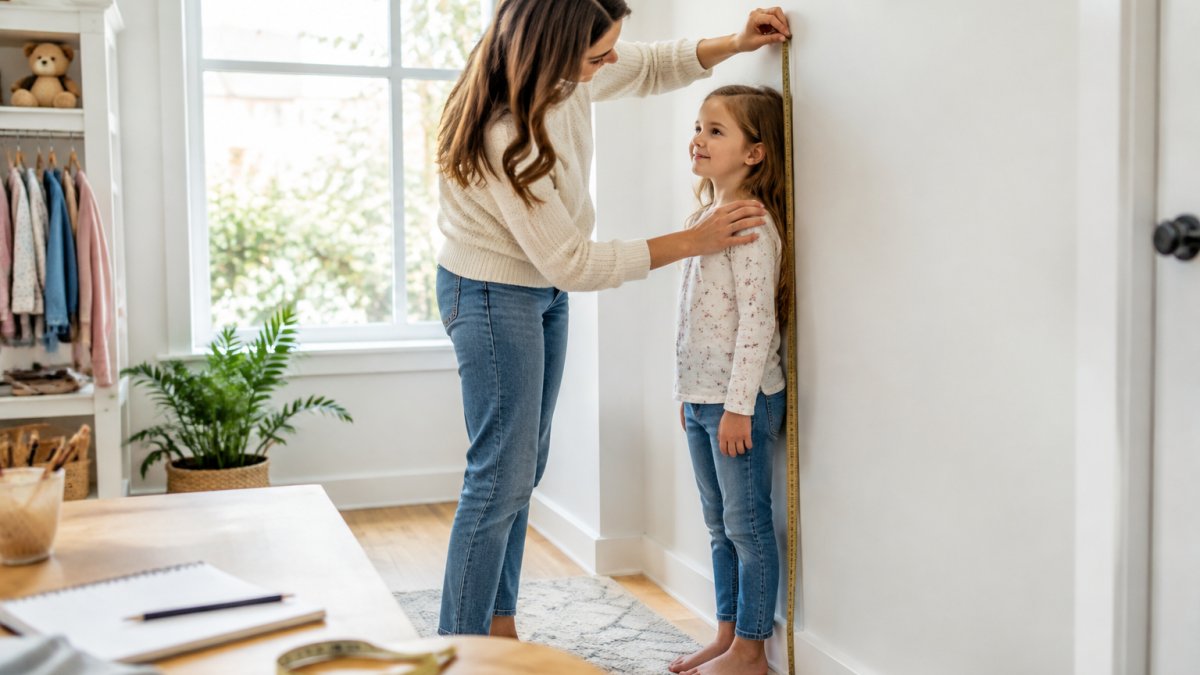
Follow these steps:
- Remove your child's shoes and any hair accessories.
- Have your child stand straight against a wall, heels touching the wall.
- Keep their head level, looking straight ahead.
- Place a flat book on top of their head, pressing it gently against the wall.
- Mark the wall where the book's bottom edge touches.
- Measure from the floor to the mark and write the number in centimeters.
Watch out: Measuring on carpet or with shoes on adds height and can push you into the wrong size. Stand your child on a hard, flat floor for the most accurate reading.
Measure again in a few months. Children grow fast, and a reading from last season may already be out of date.
Measuring Waist, Chest and Inseam
Height gets you close, but a few body measurements help with the fit. These matter most for pants, skirts and fitted tops.
- Chest: Wrap the tape around the fullest part of the chest, just under the arms. Keep it level and snug, not tight.
- Waist: Measure around the natural waistline, where a belt would sit.
- Inseam: Measure from the crotch down to the ankle along the inside leg. This decides whether pants will be too long or too short.
Write these down next to the height. You will use them later when you compare brand charts, and many European labels list them on their size tables.
European Kids Size Chart: Height, Age and Weight
Size charts give a general range, not a rule. Use this table as a starting point, then check the specific brand's chart before you order.
| EU Size | Typical Height | Typical Age | Typical Weight |
|---|---|---|---|
| 56 | 56 cm | Newborn to 1 month | Up to 5 kg |
| 62 | 62 cm | 1 to 3 months | 5 to 6 kg |
| 74 | 74 cm | 6 to 9 months | 7 to 9 kg |
| 80 | 80 cm | 9 to 12 months | 9 to 10 kg |
| 92 | 92 cm | 2 to 3 years | 12 to 14 kg |
| 104 | 104 cm | 3 to 4 years | 15 to 17 kg |
| 116 | 116 cm | 5 to 6 years | 20 to 23 kg |
| 128 | 128 cm | 7 to 8 years | 25 to 28 kg |
| 140 | 140 cm | 9 to 10 years | 31 to 35 kg |
| 152 | 152 cm | 11 to 12 years | 38 to 43 kg |
Weight varies a lot from child to child, so height is the number to trust most. Use age and weight only when you have no height reading.
Infant and Baby Size Ranges
Babies change size quickly, so infant sizes move in short steps. Sizes 56 to 80 cover most babies from birth to about one year.
- Size 56: Very small newborns, often for the first few weeks
- Size 62: Newborns and young infants
- Size 68: Babies around three months
- Size 74: Infants around six months
- Size 80: Babies around nine to twelve months
Many infant pieces, such as bodysuits and sleepers, are cut close to the body. Check the chest and length measurements carefully.
Toddler and Older Child Size Ranges
From about size 92 upward, sizes follow a more regular pattern of roughly 12 cm per step. Toddlers often grow out of a size in just a few months, so plan around height, not the date on the calendar.
- Sizes 92 to 104: Toddlers, usually two to four years old
- Sizes 110 to 128: Young children, around five to eight years
- Sizes 134 to 152: Older children and preteens
Pay attention to the length of dresses and pants in this range. A child who is tall for her age may need a higher size for length, even when the chest fits the size below.
Converting EU Sizes to US and UK Sizes
Converting between systems helps when a US or UK size chart is the only one you can find.
Here is a general guide:
| EU Size | Approximate US Size | Approximate UK Size |
|---|---|---|
| 80 | 9 to 12 months | 9 to 12 months |
| 92 | 2T | 1.5 to 2 years |
| 104 | 3T to 4 | 3 to 4 years |
| 116 | 5 to 6 | 5 to 6 years |
| 128 | 7 to 8 | 7 to 8 years |
| 140 | 10 | 9 to 10 years |
| 152 | 12 | 11 to 12 years |
Many parents find that US sizes run slightly larger than their EU equivalent in the same height. If you are between two sizes, use height as the tiebreaker.
For a quick check, compare the measurements on the brand's own chart to your child's numbers. That is more reliable than any conversion table.
Choosing Between Sizes When Your Child Falls In Between
Children rarely measure exactly on a size line.
Start with the garment type, because ease, the extra room built into a pattern beyond the body measurement, varies more by category than by brand.
- Knits, jersey, and leggings: These stretch, so a child at 110 cm can usually wear a 104 without restriction. Choose the smaller size when the fabric has visible stretch in the label (elastane, spandex, or a rib knit).
- Woven tops and dresses: These have little give. Choose the size that matches the chest measurement first, then check length. A dress that is slightly long can be hemmed; one that is tight across the chest cannot be let out.
- Pants and jeans: Inseam decides the fit. If the waist fits the smaller size but the inseam is short, size up and plan to roll the cuff. If the waist is already snug on the smaller size, size up regardless of length.
- Outerwear: A coat or jacket needs room for a sweater underneath. Size up one step from the child's measured height when the item is designed for layering.
A worked example: a child measures 110 cm with a 58 cm chest.
Watch out: Sizing up for length can leave shoulders and sleeves loose on slim cuts.
Brand Variation, Growth Allowance and Seasonal Planning
Two garments labeled 116 can fit very differently. The size number describes height, but the pattern, fabric, and target market decide everything else. Understanding why brands vary makes it easier to predict fit before you order.
Why the same size fits differently:
- Pattern grading: Brands grade sizes on different intervals. Some step up every 6 cm, others every 8 cm or 12 cm, so the gap between a 104 and a 116 is not uniform across labels.
- Cut and target market: A brand designed for a slim Northern European fit will run narrower through the chest and waist than a brand cut for a roomier Southern European fit, even at the same size number.
- Fabric: Woven cotton and denim have almost no stretch; jersey, rib knit, and fleece do. The same pattern in a different fabric fits a full size differently.
- Garment type: A bodysuit is cut close to the body; a parka is cut with layering room. Compare like with like when you read a chart.
How much growth allowance to add:
A common pattern among parents who order European labels is to buy for the height the child will reach during the season the garment is worn, not the height today. As a rule of thumb:
- Everyday play clothes: Buy at or one step above current height. Children grow roughly 5 to 7 cm per year in the early school years, so a size that fits today with a few centimeters of room will usually last a season.
- Winter outerwear: Size up one step to allow for a sweater and a growth spurt across the cold months.
- Summer clothing: Buy close to current height. Light fabrics show length problems quickly, and a hem that drags is a trip hazard.
- Special-occasion pieces: Buy for the event date, not the year. A dress bought two sizes up will likely be outgrown in the shoulders before the length is right.
Seasonal planning:
Shop by the season the child will wear the item, not the season you are shopping in.
Watch out: Growth allowance is not the same as a size up. Adding two sizes for a coat can leave the shoulders so wide that the child is cold anyway.
Finally, treat any converted size as a starting point, not a guarantee. Age and weight are approximate, sizing conventions differ between brands, and a chart describes a range rather than a single fit.
Ordering Your First Piece From Le Petit Kids
Starting with one well-chosen piece is a good way to learn how a brand fits your child.
Before you order, measure your child's height in centimeters and compare it to the size chart on the product page.
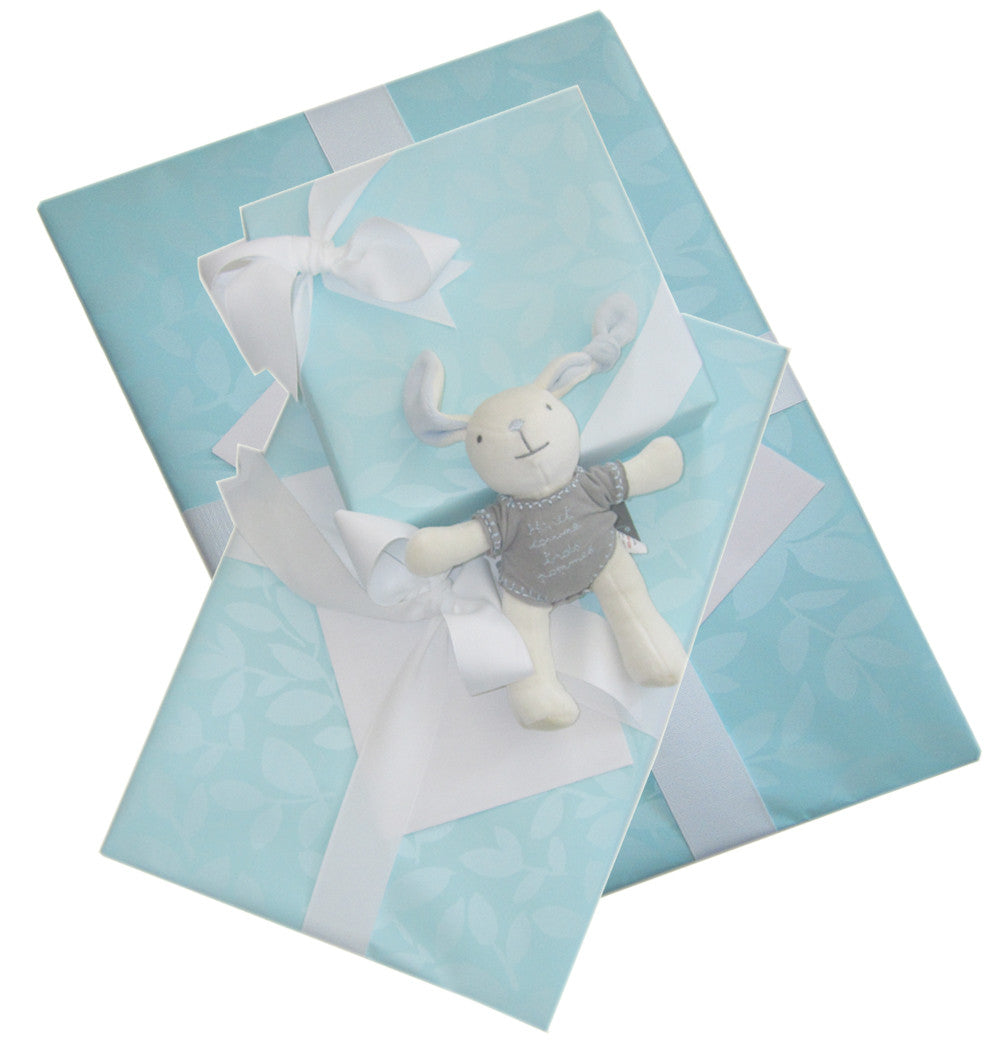
Our Baby Lux-Gift Boxes are another option if you are shopping for a newborn or gifting a full starter wardrobe.
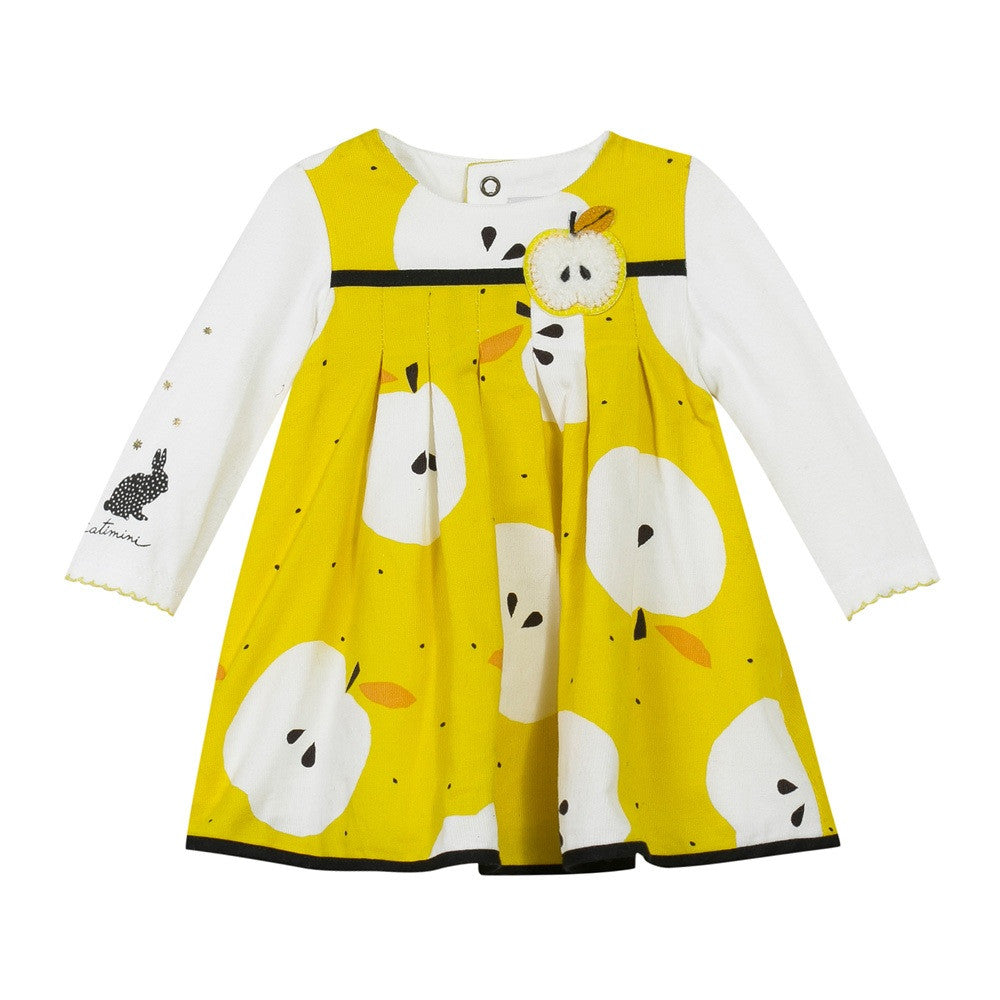
For parents who want to see how European fit looks on a young child, our Catimini Baby Dress in the infant size range is a good reference point.
Once you know your child's size in one brand, keep that record. It makes every future European order much simpler.
Frequently Asked Questions
How do I convert EU child size to US size?
Start with your child's height in centimeters, since European kids' sizes are usually based on height rather than age. Find the matching EU size on the chart, then move across to the US equivalent in the same row. Where the two fall between sizes, choose the larger US size for a child who is still growing, or the smaller one if the garment will be worn in a fitted style. Always check the specific brand's size chart, because cut and fit can vary from one label to another.
What size is 120 in children's clothes in the US?
A European size 120 is generally designed for a child around 120 centimeters tall, which is roughly 47 inches. That height typically corresponds to a US size 6 or 6X, depending on the brand and the cut of the garment. Because US sizing also depends on the child's build, measure your child rather than relying on age alone, and compare the garment's measurements against a favorite piece that fits well.
Do European kids' clothing sizes vary by brand?
Yes. Sizes are a guideline rather than a fixed standard, so two brands can label the same height differently in terms of fit, length and width. Some labels also use split sizes, such as 3/4 years, and sell them as the higher age. Read the size notes on each product page, compare the listed garment measurements, and keep a well-fitting piece from the same brand as a reference when ordering.
How do I measure a child in centimeters for European clothing?
Have your child stand straight against a wall without shoes, heels together and looking forward. Place a book flat on top of the head and mark the wall where the book meets it. Measure from the floor to the mark with a flexible tape measured in centimeters. Record the height and check it against the size chart, rounding up if your child falls between two sizes and is still growing.
