

Last Updated: November 13, 2026
Quick Summary
European kids clothes are often worth the higher price when the value comes from fabric, construction and wearability rather than the label alone. Judge pieces by fiber content, knit density and finishing details, then compare total landed cost per wear.
- Cotton-rich blends usually breathe better for everyday wear than synthetic-heavy fabrics.
- Tighter knit or weave structures tend to resist pilling and stretching over time.
- Reinforced buttonholes, ribbed cuffs and lined pockets signal careful construction.
- A high price does not guarantee durability, so judge the garment in your hands.
- Calculate landed cost including shipping, duty, fees and return costs before buying.
Table of Contents
- What Makes European Kids Clothes Different
- European Baby Clothes Brands and What Sets Them Apart
- Baby Clothes Made in Europe: Fabric, Construction and Durability
- Scandinavian Baby Clothes Brands and Their Minimalist Approach
- Sizing: Converting European Sizes to US Sizes Without Guesswork
- Total Cost, Returns and Value: Running the Numbers
- Choosing Your Next Piece from Le Petit Kids
- Frequently Asked Questions
What Makes European Kids Clothes Different
Are European kids clothes worth it? For many American parents, the answer depends on fabric, fit and how long a piece lasts, not on the label alone. At Le Petit Kids, we curate children's pieces from European makers, and we think the comparison is worth making carefully rather than assuming the price is justified.
European children's clothing tends to lean toward natural fibers, simpler construction and a cut that favors movement and longevity. Many shoppers notice that a well-made knit or woven piece holds its shape through repeated washing. A common approach is to look at the fabric blend and stitching before the logo.
Here is what to check on any piece:
- Fiber content: Cotton-rich blends usually breathe better for everyday wear.
- Knit or weave density: Tighter structures tend to resist pilling and stretching.
- Finishing details: Ribbed cuffs, reinforced buttonholes and lined pockets signal careful construction.
- Care label: Garments that tolerate machine washing are easier to keep in rotation.
Watch out: a high price does not guarantee durability. Judge the garment in your hands, not the price tag.
European Baby Clothes Brands and What Sets Them Apart
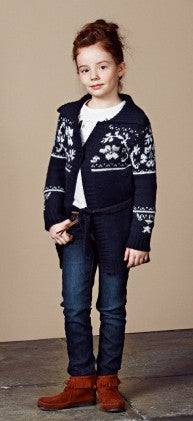
Our Jean Bourget Cardigan jc18032 is a long cardigan in thick knit with a wide ribbed collar, a large front button and a matching knitted navy belt, priced at $74.99. You can see the full cardigan details here.
The Tutto Piccolo Sweater 8735W24 is a cotton and acrylic blend with ribbed trim, priced at $59.99, while the Tutto Piccolo Kids Cardigan 7500S24 is 100% cotton with a buttoned front, also at $59.99.
Best for: parents who want reliable layering pieces in classic styles. Skip if: you need a single item that will be worn only once or twice.
Baby Clothes Made in Europe: Fabric, Construction and Durability
The specifics vary by garment, and the label tells you what you are actually buying. This section goes fiber by fiber and seam by seam so quality claims become checkable rather than assumed.
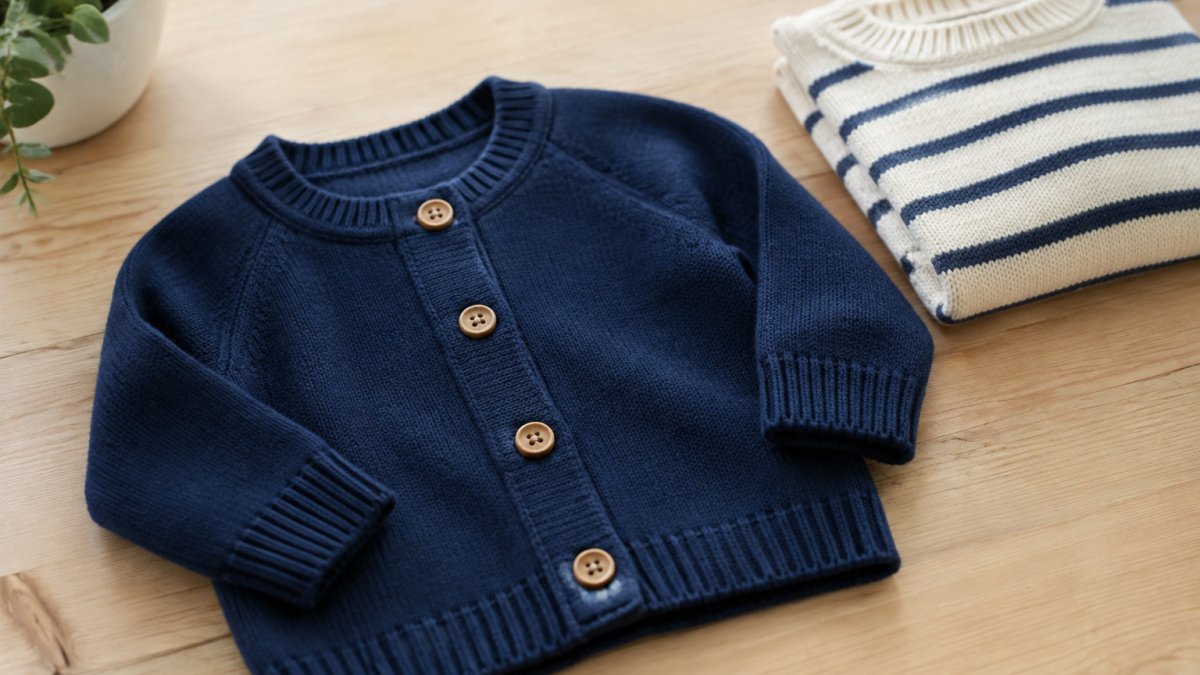
Read the fiber content for trade-offs, not buzzwords. Cotton breathes but can shrink and wrinkle. Acrylic is light but can pill. The Tutto Piccolo Sweater 8735W24, a cotton and acrylic blend at $59.99, and the 100% cotton Tutto Piccolo Kids Cardigan 7500S24 at the same price are two options to compare.
Judge construction at four points. Look for flat or reinforced seams with no loose threads. The Tutto Piccolo Boys Blazer 3566W25 pairs an 80% cotton / 20% polyester outer with a 100% polyester satin lining.
Anticipate shrinkage and pilling before you buy. Follow the care label, and remember that a high price does not guarantee durability.
Use washing as the real durability test. After the first few washes, check whether the garment kept its shape, whether seams held, and whether the surface pilled. Pieces that survive a month of regular washing in rotation are the ones that justify their landed cost. You can compare fabric details across our collection before deciding, and pair these checks with the cost-per-wear math in the section below.
Scandinavian Baby Clothes Brands and Their Minimalist Approach
Scandinavian children's clothing is often described as minimalist: neutral palettes, clean lines and functional details. Many parents appreciate that these pieces pair easily with existing wardrobes, which can extend the useful life of each purchase.
The minimalist approach also means fewer decorative elements to wear out or fall off. Plain knits and simple outerwear tend to age well, since there are no fragile embellishments to lose. That durability matters when you are buying for a child who grows quickly.
Sizing: Converting European Sizes to US Sizes Without Guesswork
The safest approach is to measure your child's height and chest, then compare against the brand's size chart rather than relying on age alone.
Because cuts vary, a size that fits one brand may run snug or loose in another. When in doubt, many shoppers size up for pieces meant to last several seasons. Our guide on sizing European kids clothes correctly walks through the conversion in detail, step by step.
Total Cost, Returns and Value: Running the Numbers
Worth it depends on the full landed cost, not the sticker price.
Build the landed cost in four steps. Start with the item price, then add international shipping, then add any customs duty and import fees, then add the cost of returning the item if the fit is wrong.
Know the duty and tax mechanics. Confirm the current duty and tax rules with U.S. Customs and Border Protection before you order, and check the checkout total, which is the figure to rely on. Watch out: a low item price paired with a high shipping charge can quietly erase the quality premium you are paying for.
Compare on cost per wear, not cost per garment. Divide the landed cost by the realistic number of wears.
Treat returns as part of the price. Before ordering, confirm the return window length, who pays return shipping, and whether exchanges for size are offered.
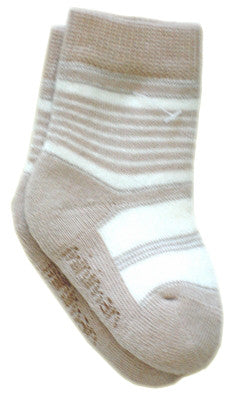
Start small to de-risk. You can try a lower-priced entry point with Miniman Socks to test the brand cheaply. Value comes from pieces your child actually wears, so buy for function first and let the cost-per-wear math confirm the decision.
Before deciding whether European kids clothes are worth the price, the full landed cost matters more than the sticker price, as summarised below.
| Cost step | What to do | Note |
|---|---|---|
| Item price | Start with the price of the piece | Sticker price only |
| International shipping | Add the shipping charge | Can erase the quality premium |
| Duty and import fees | Add customs duty and fees | Confirm with U.S. Customs and Border Protection |
| Return cost | Add the cost of returning a wrong fit | Check who pays return shipping |
| Cost per wear | Divide landed cost by realistic wears | Confirms whether the price is justified |
Choosing Your Next Piece from Le Petit Kids
Start with the category your child wears most. For everyday layering, a cotton cardigan or sweater delivers the most wear per dollar. For occasions, a structured blazer like the Tutto Piccolo Boys Blazer 3566W25 at $119.99 justifies its price through versatility. For a classic everyday option, you can browse the Petit Bateau navy pants and compare them with the pieces above.
Our recommendation: buy fewer, better pieces, measure carefully and check the total cost before you order. Shop the full collection at Le Petit Kids and find the pieces that fit your child's wardrobe.
Frequently Asked Questions
What is the difference between European and American clothes sizes for kids?
European children's sizing is usually based on height in centimeters, while US sizing typically uses age or a size number tied to chest and waist measurements. A European size 110 is roughly a US 5, but cuts vary by brand, so the height and chest measurements on the label matter more than the number alone. Measure your child's height and chest, compare against the brand's size chart, and when the chart is unclear, size up for layers or choose the closer measurement for fitted knits.
Are European kids' clothes better quality than American kids' clothes?
European kids' clothes often use heavier cotton knits, tighter stitching and more natural fibers, which many parents find more durable through repeated washing. Quality still varies by brand and price point, so a mid-range US brand can outperform a budget European one. Check fabric composition on the label, look at seam finishing and ribbing, and compare garment weight in your hands rather than relying on country of origin alone.
Are European baby clothes worth the higher price?
European baby clothes cost more upfront, but their value depends on how many children will wear them and how long the pieces last. The Jean Bourget Cardigan is priced at $74.99. Pieces that only get worn once or outgrown in a few months are harder to justify, so prioritize layering pieces, outerwear and knits that hold their shape.
How do you convert European children's clothing sizes to US sizes?
Start with the child's height in centimeters, since most European size charts are built on height rather than age. Match that height to the brand's chart, then cross-check chest and waist measurements if you have them. Because the same size can fit differently across brands, check whether a size chart lists both systems and read reviews that mention fit. Keep a note of which sizes worked for each brand so future orders are easier.
